QS Reimagine Education Video
This video was submitted as a requirement for consideration for the QS Reimagine Education Award sponsored by the Wharton School of Business at the University of Pennsylvania and the Alfred West Jr. Learning Lab. Our topic of Interactive Synchronous HyFlex instruction was shortlisted for global consideration, and as a result, our team needed to create a 2-minute video. We placed at the Gold Level for the North American region. I spearheaded the creation of the video showcasing our HyFlex model. Camtasia was used to create the video.
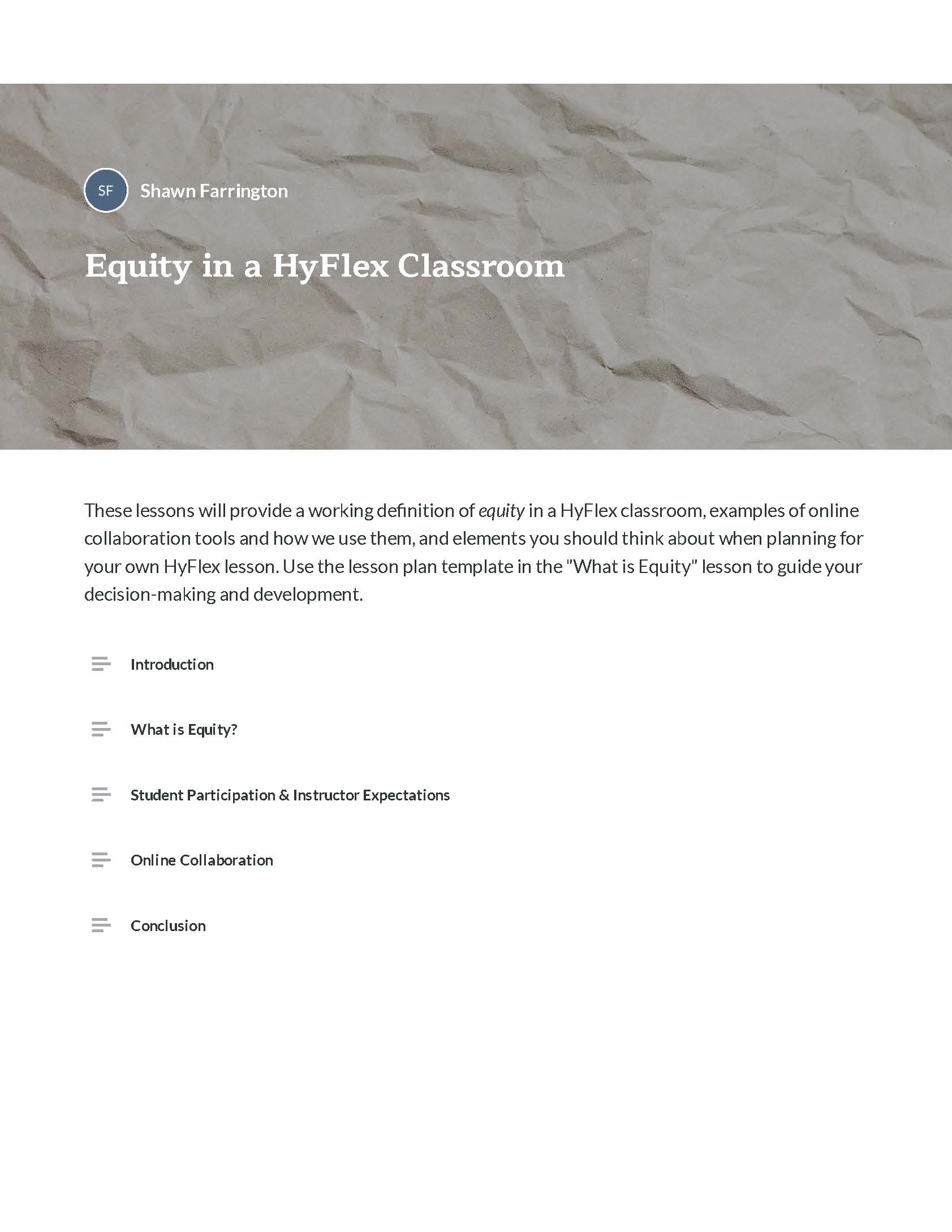
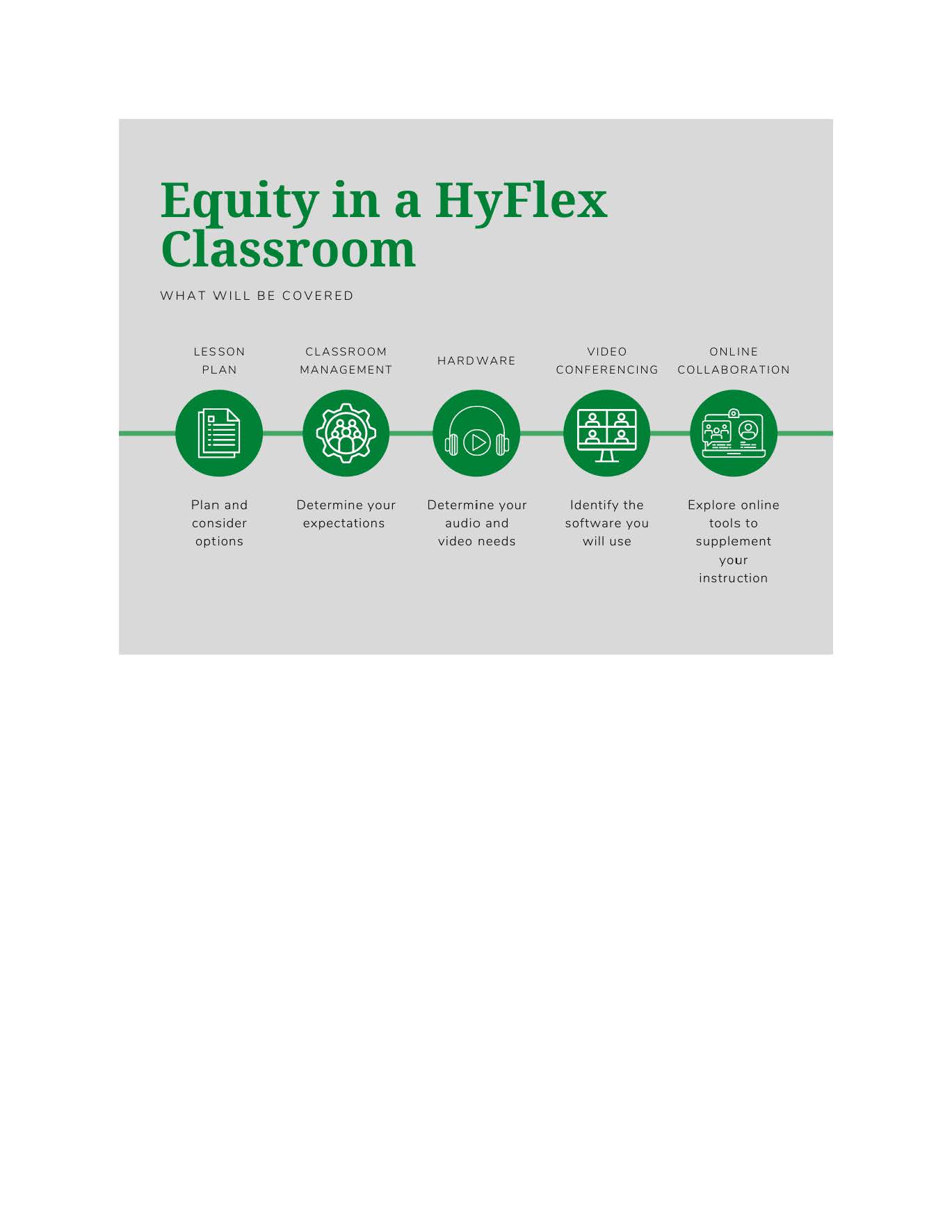
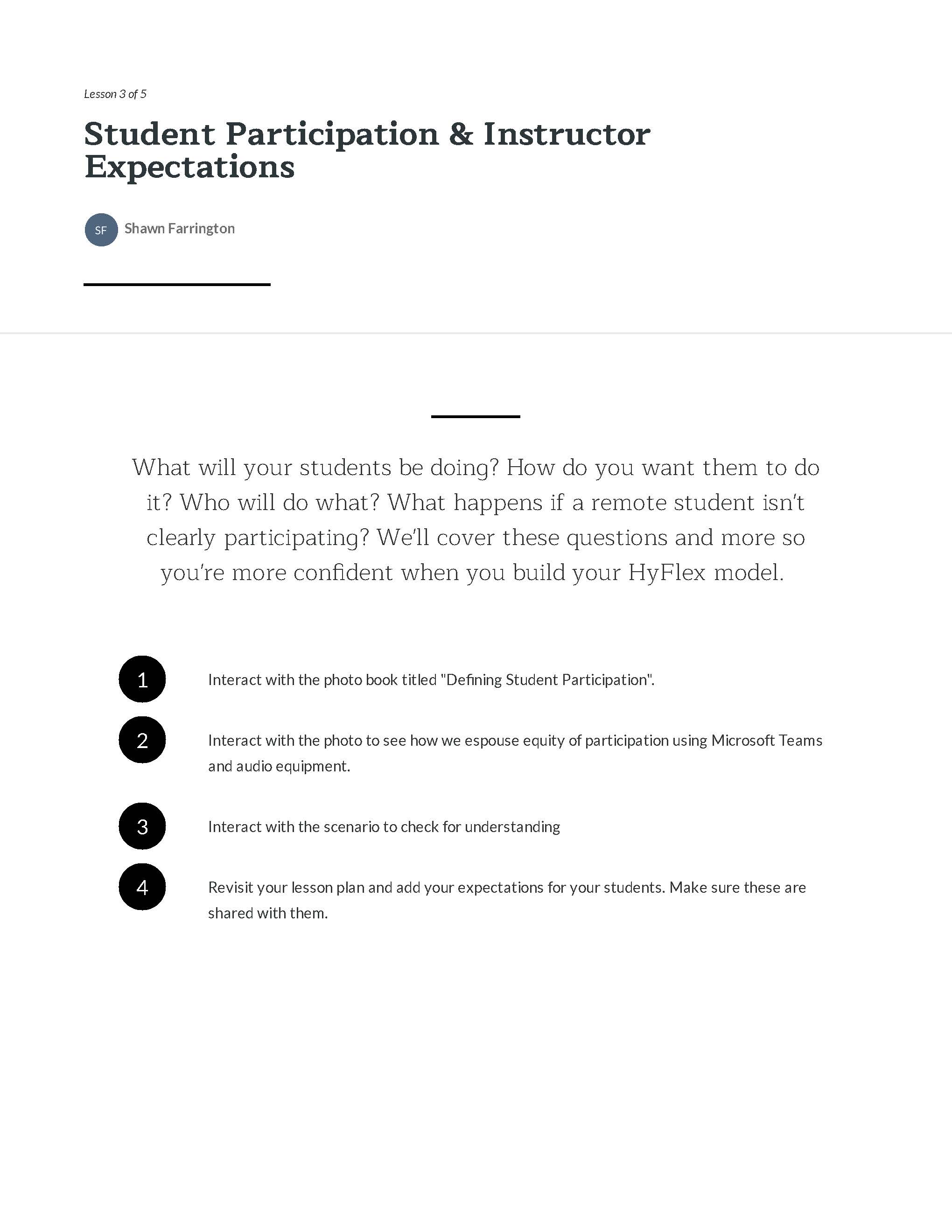
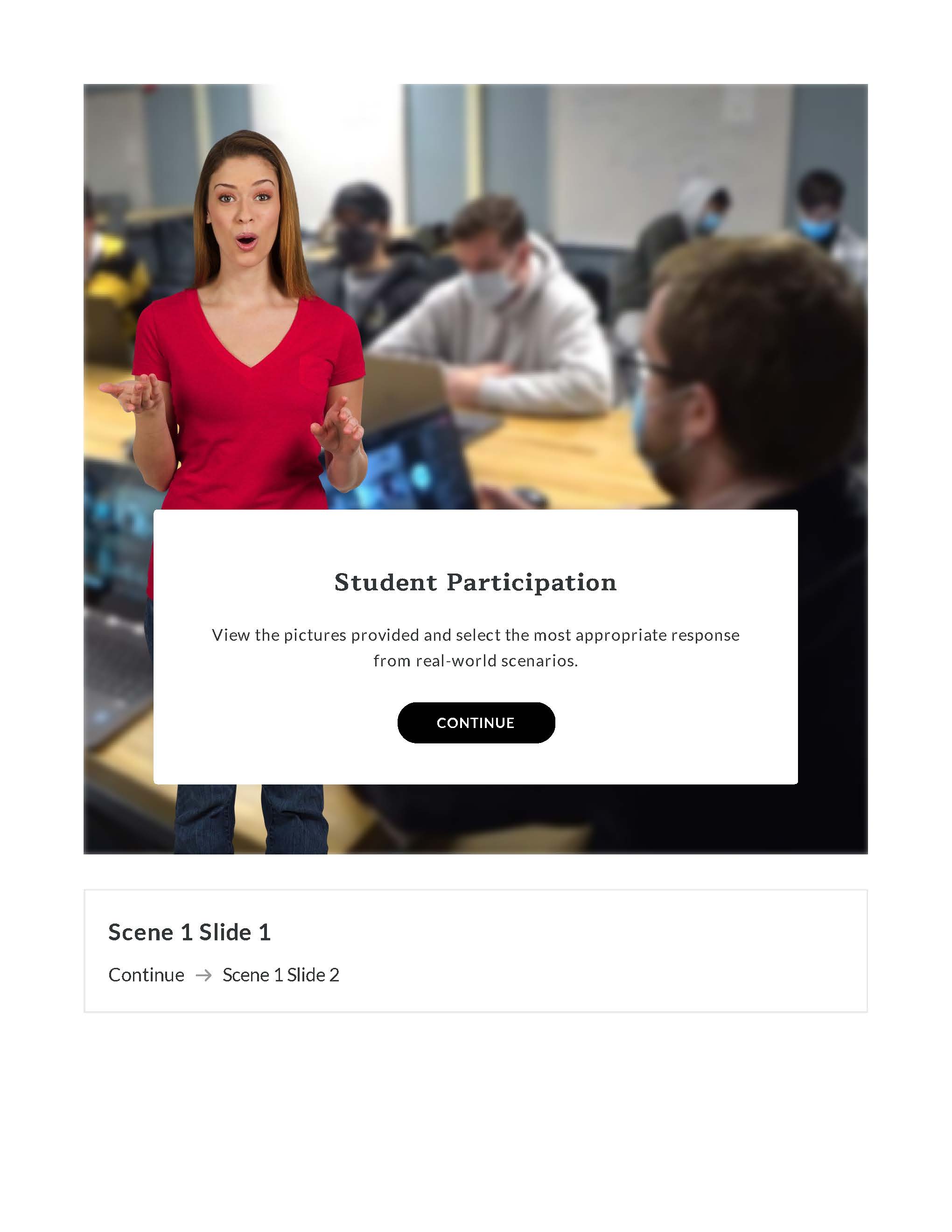
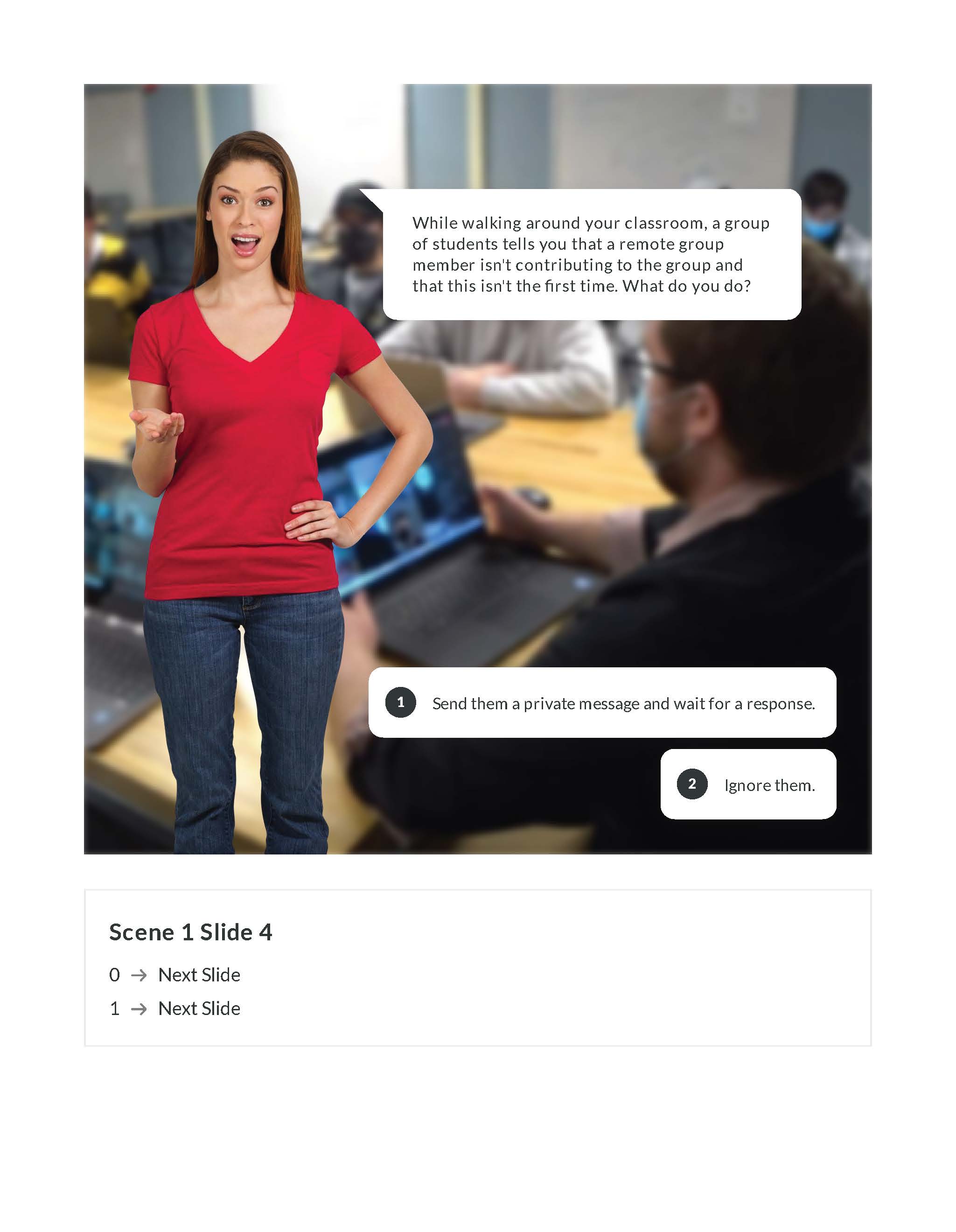
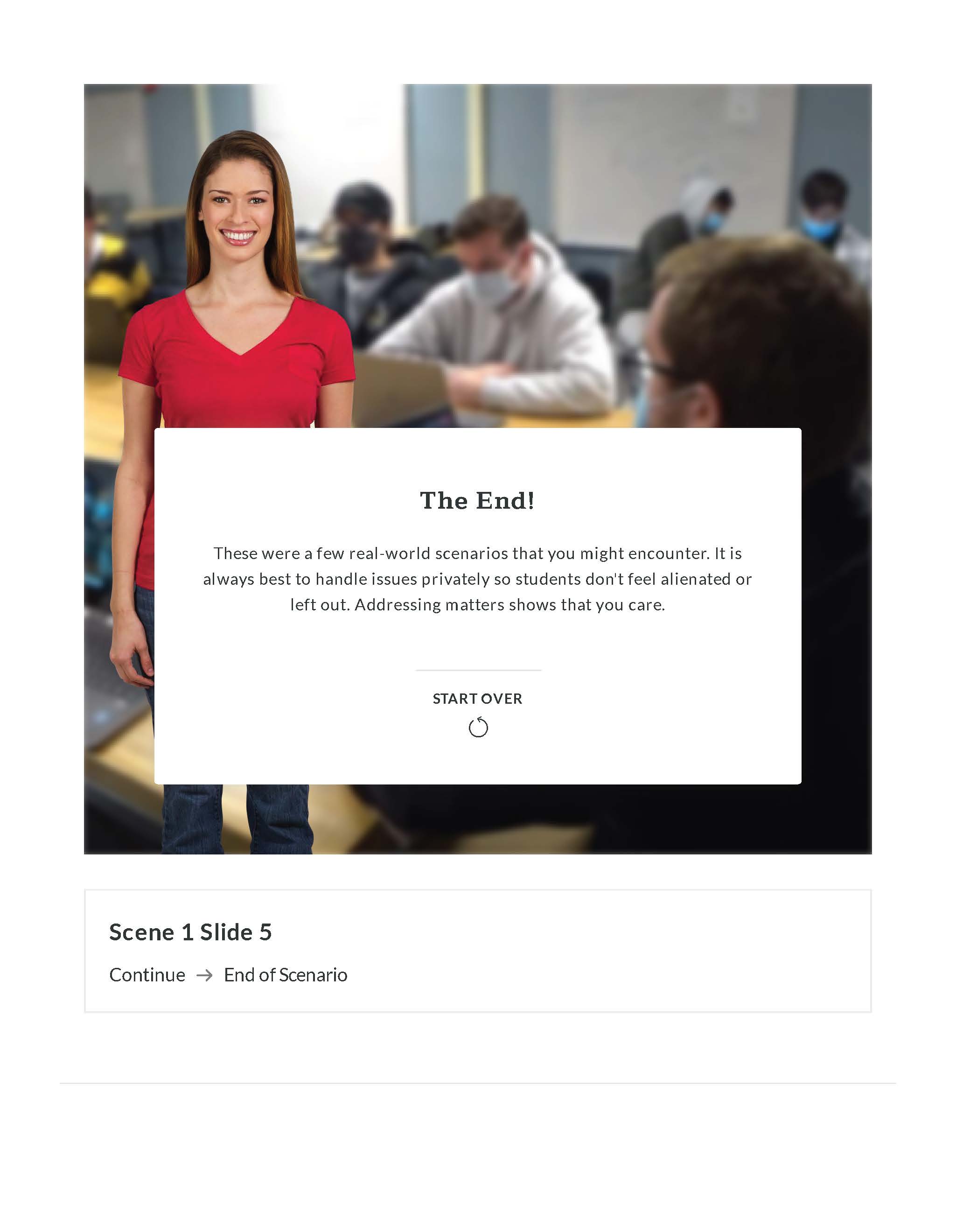
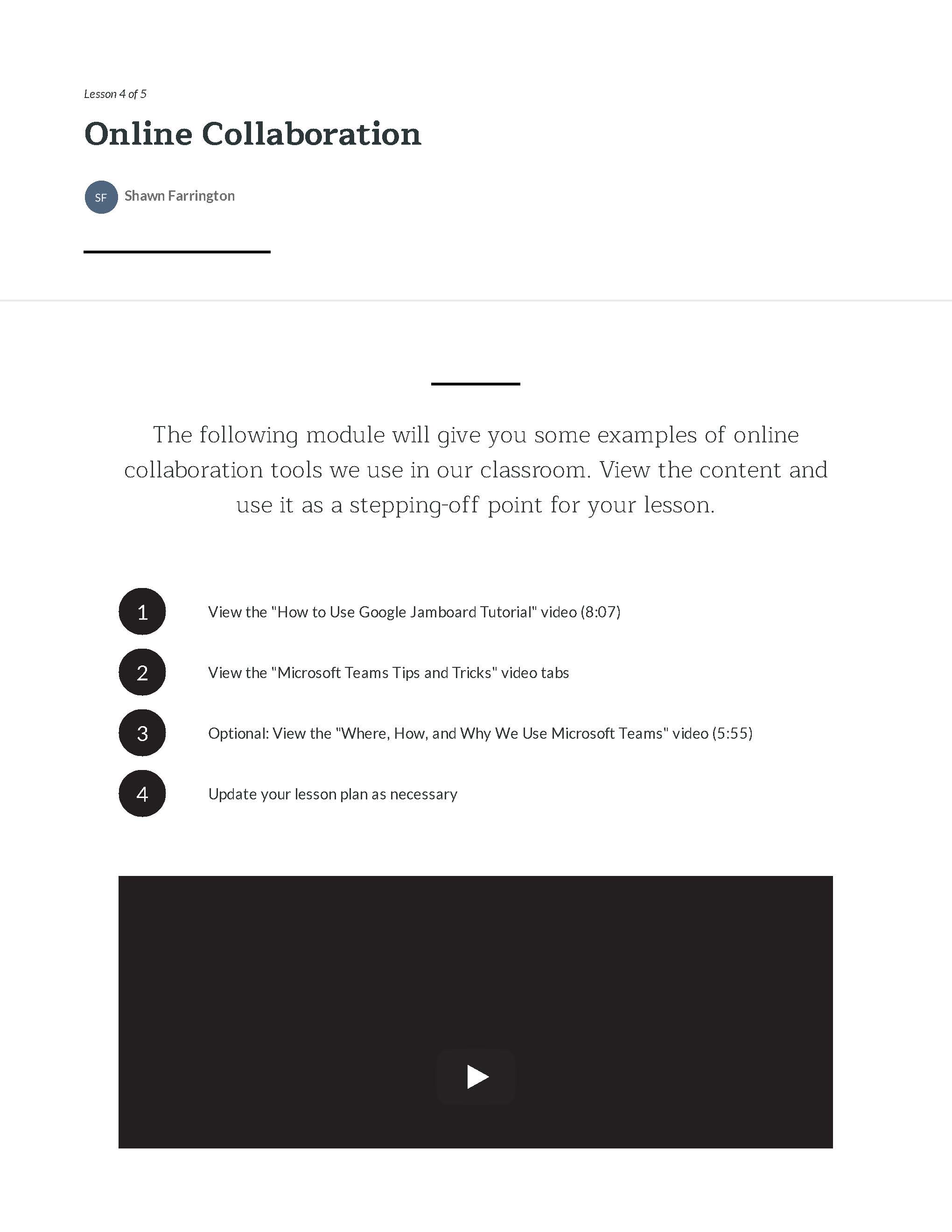
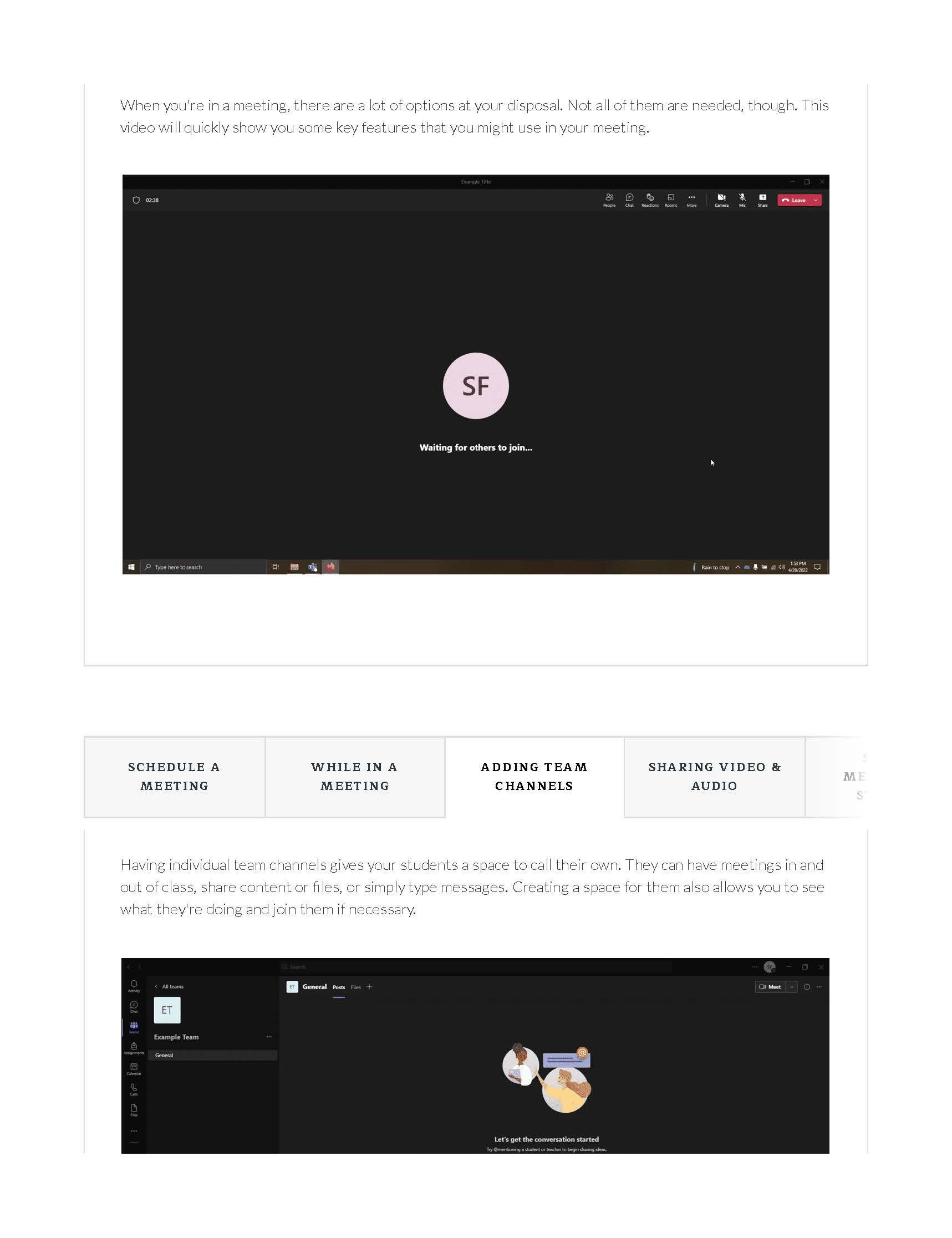
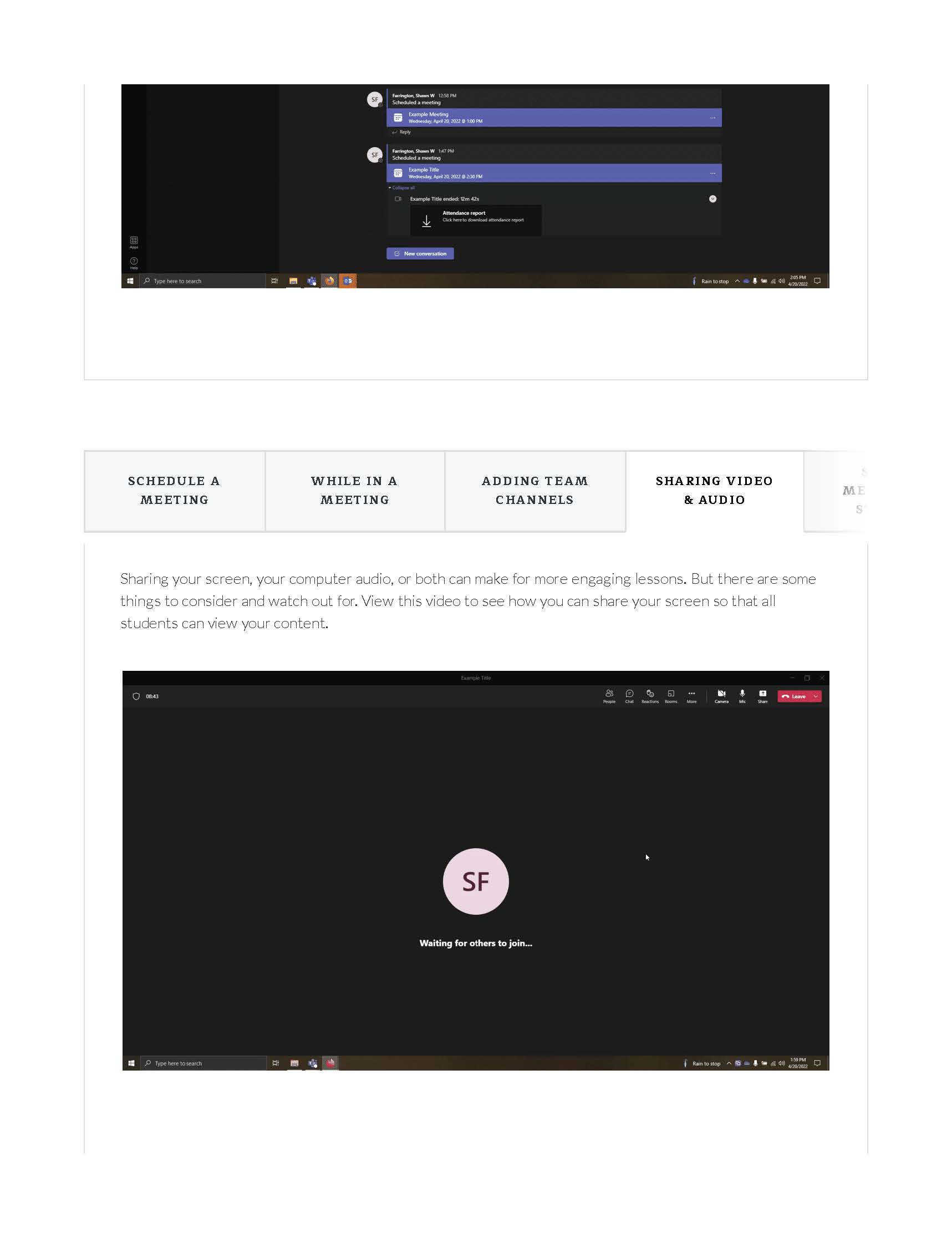
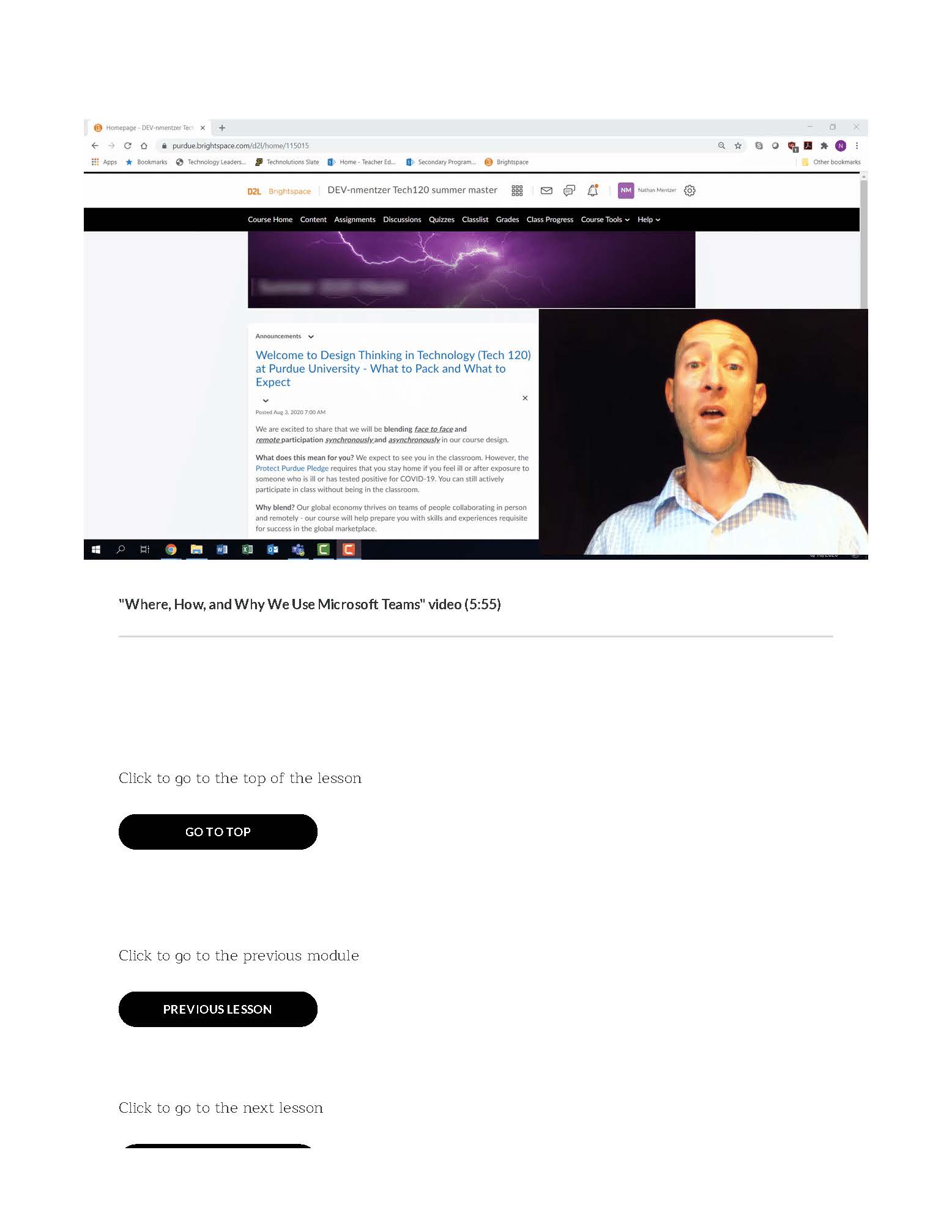
The series of pictures are taken from an online course module I created to teach K-12 and Higher Education educators how to promote equity in HyFlex instructional models. Equity, in this context, is defined as creating an equitable experience for remote and face-to-face learners so that those experiences are not drastically different. The module was created using Articulate Rise




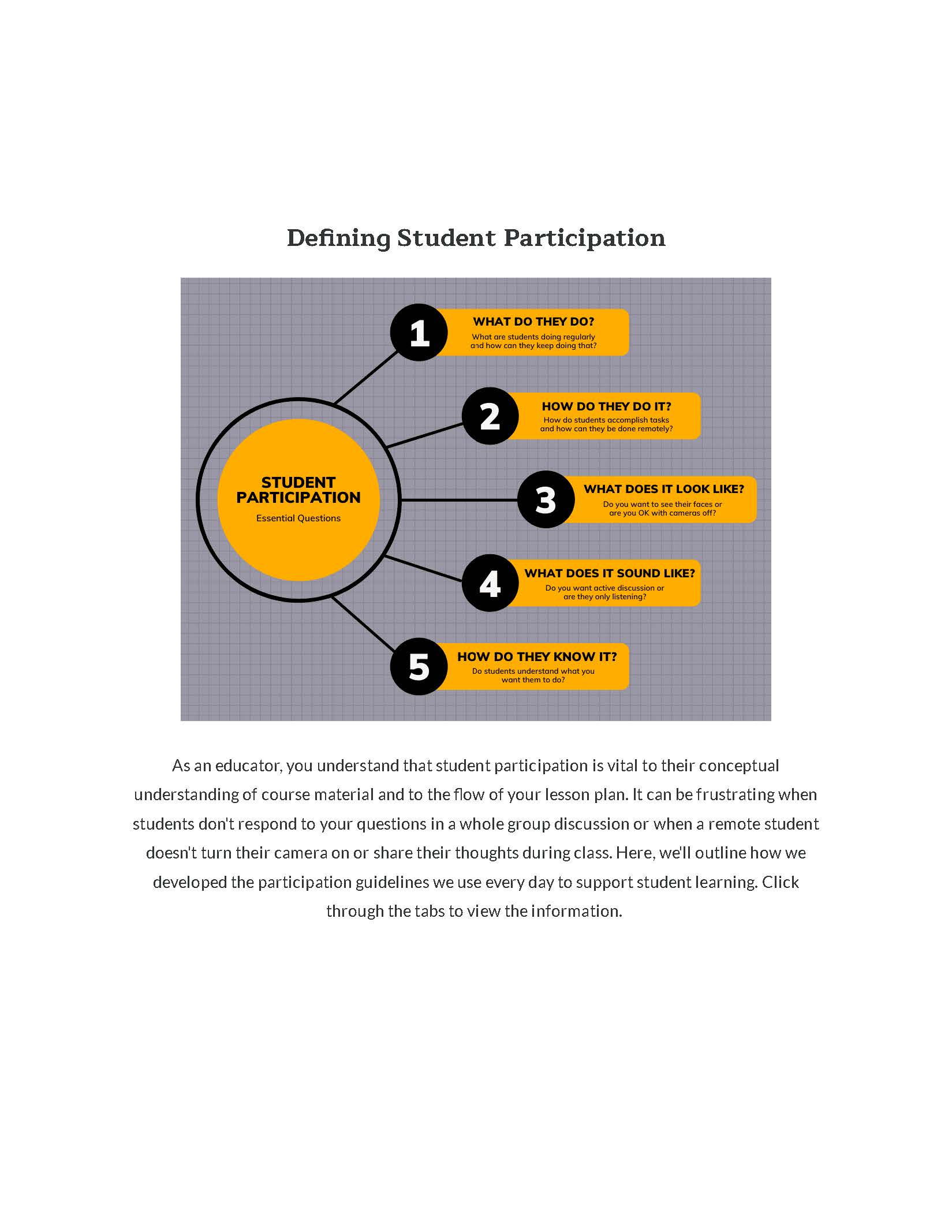
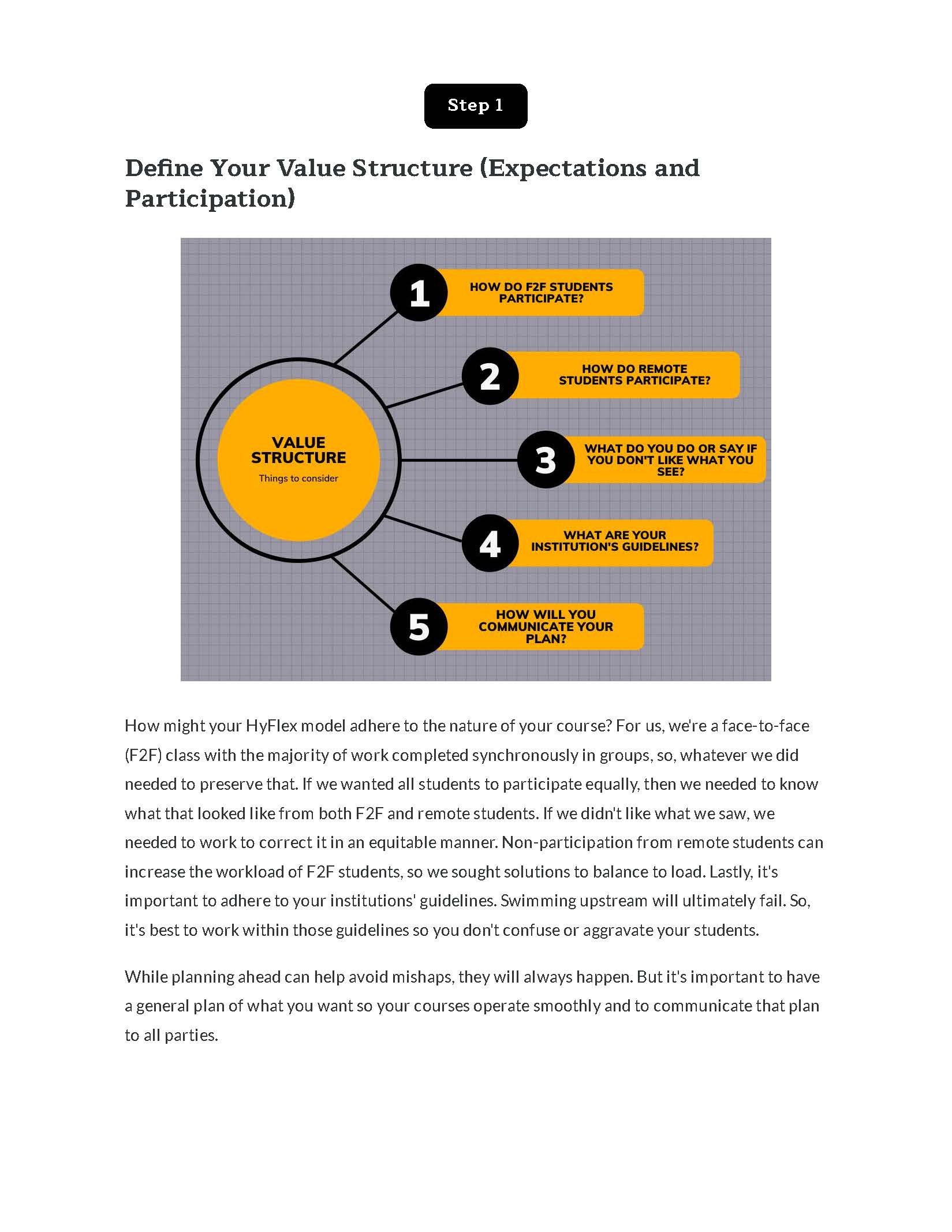
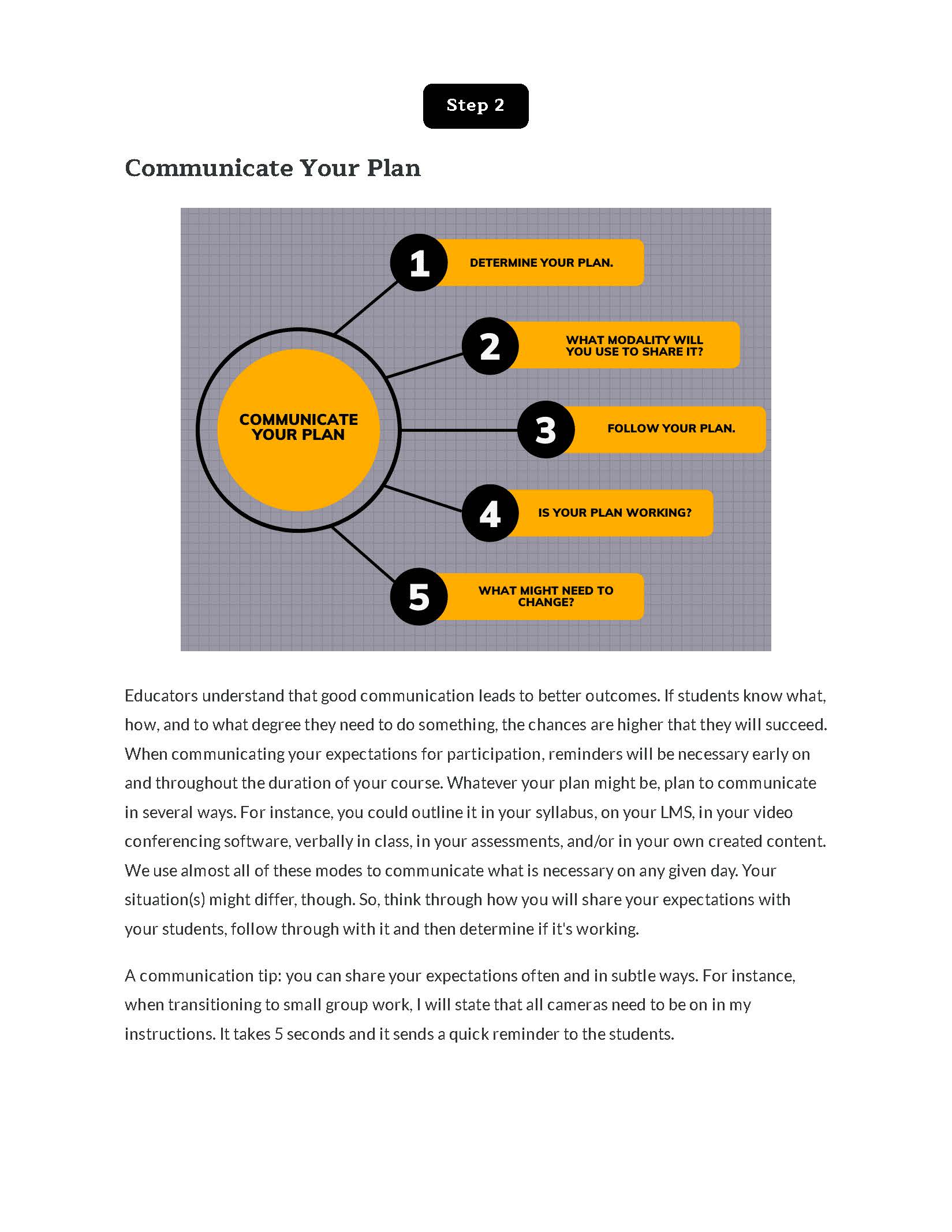

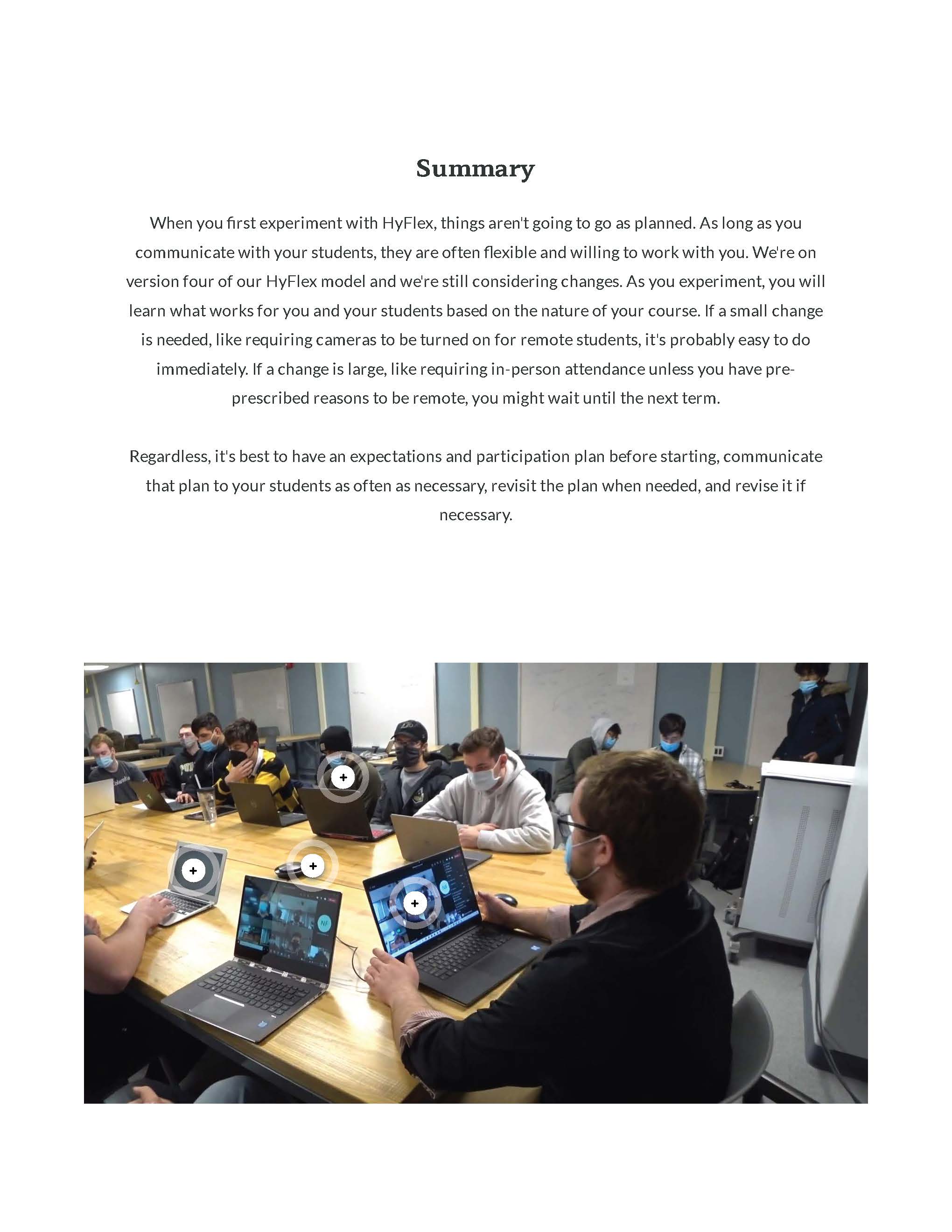
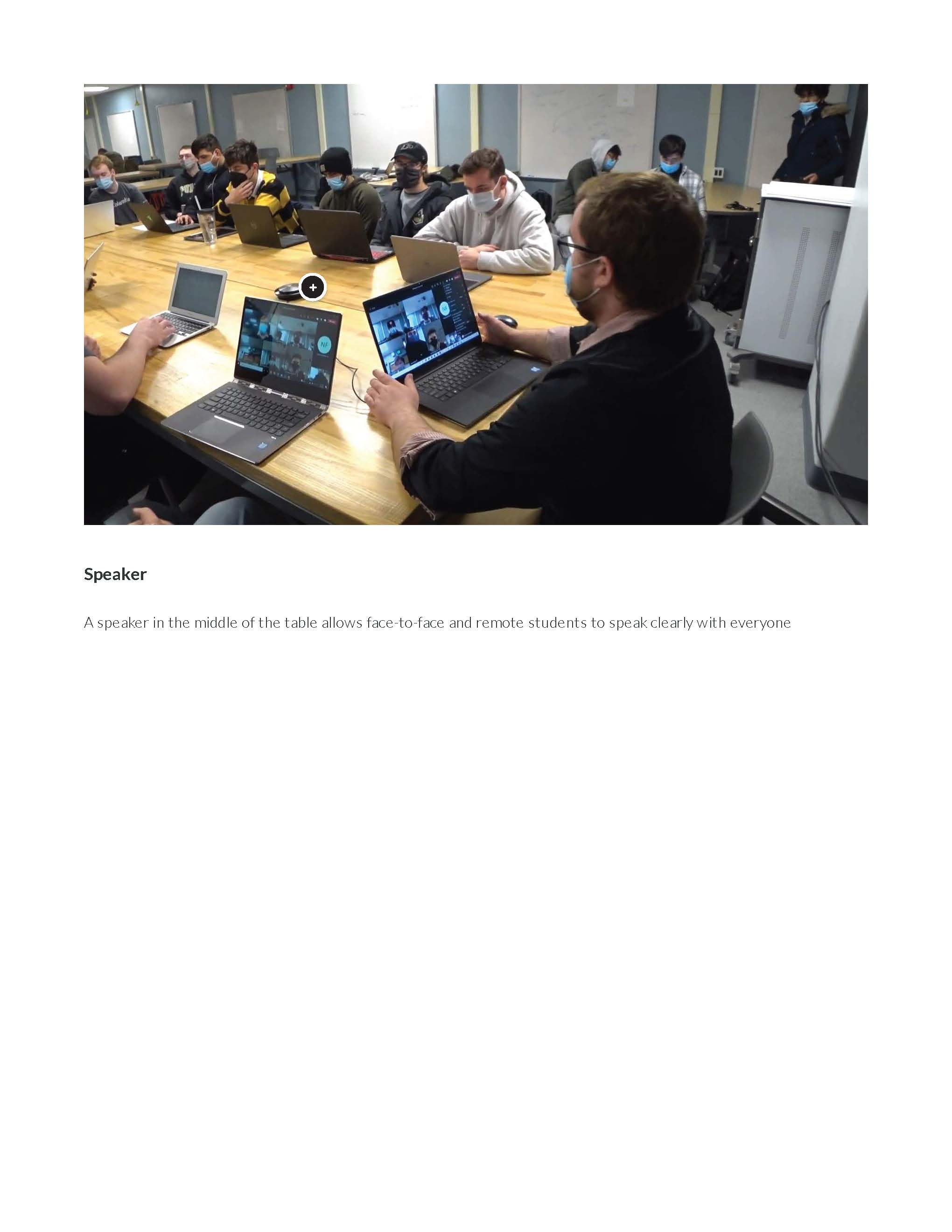
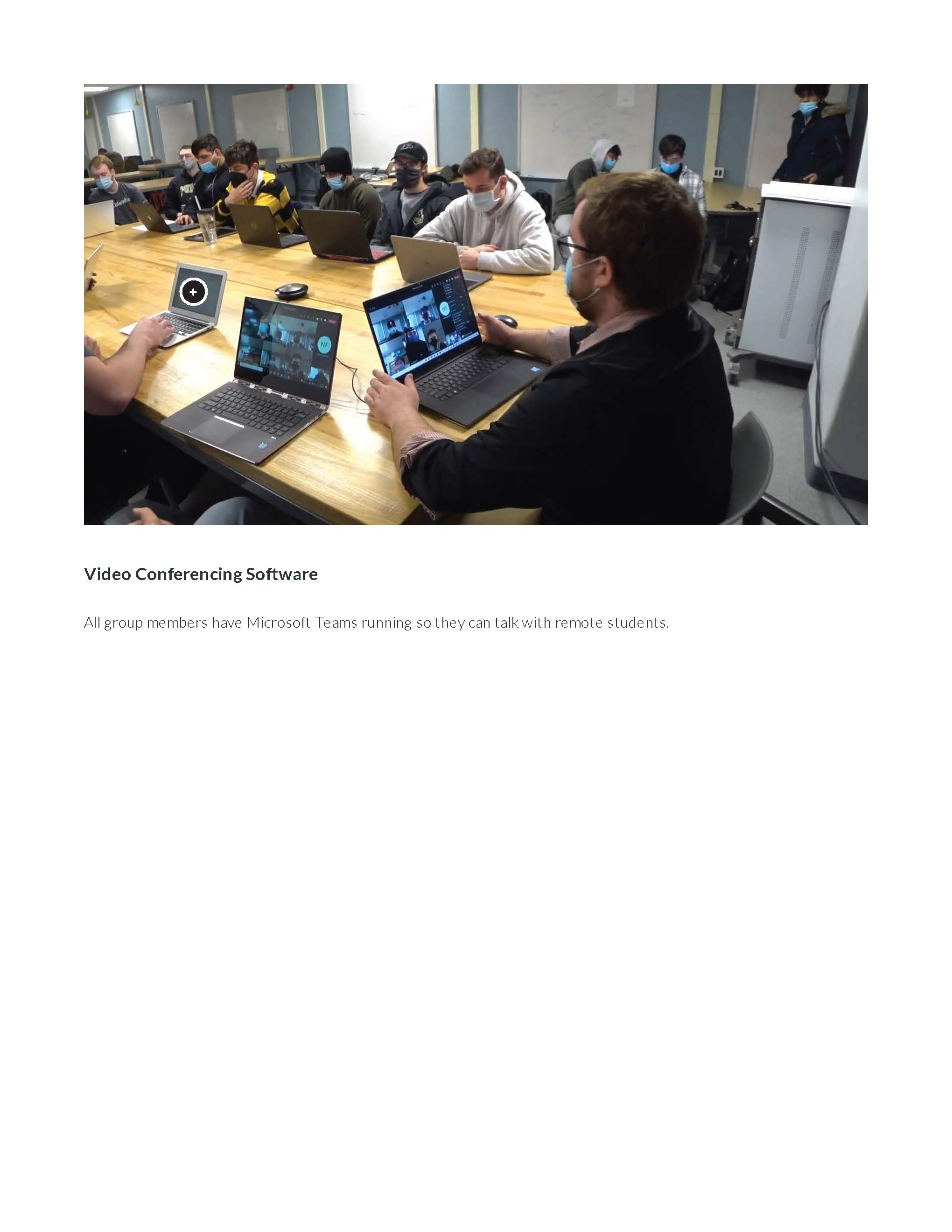
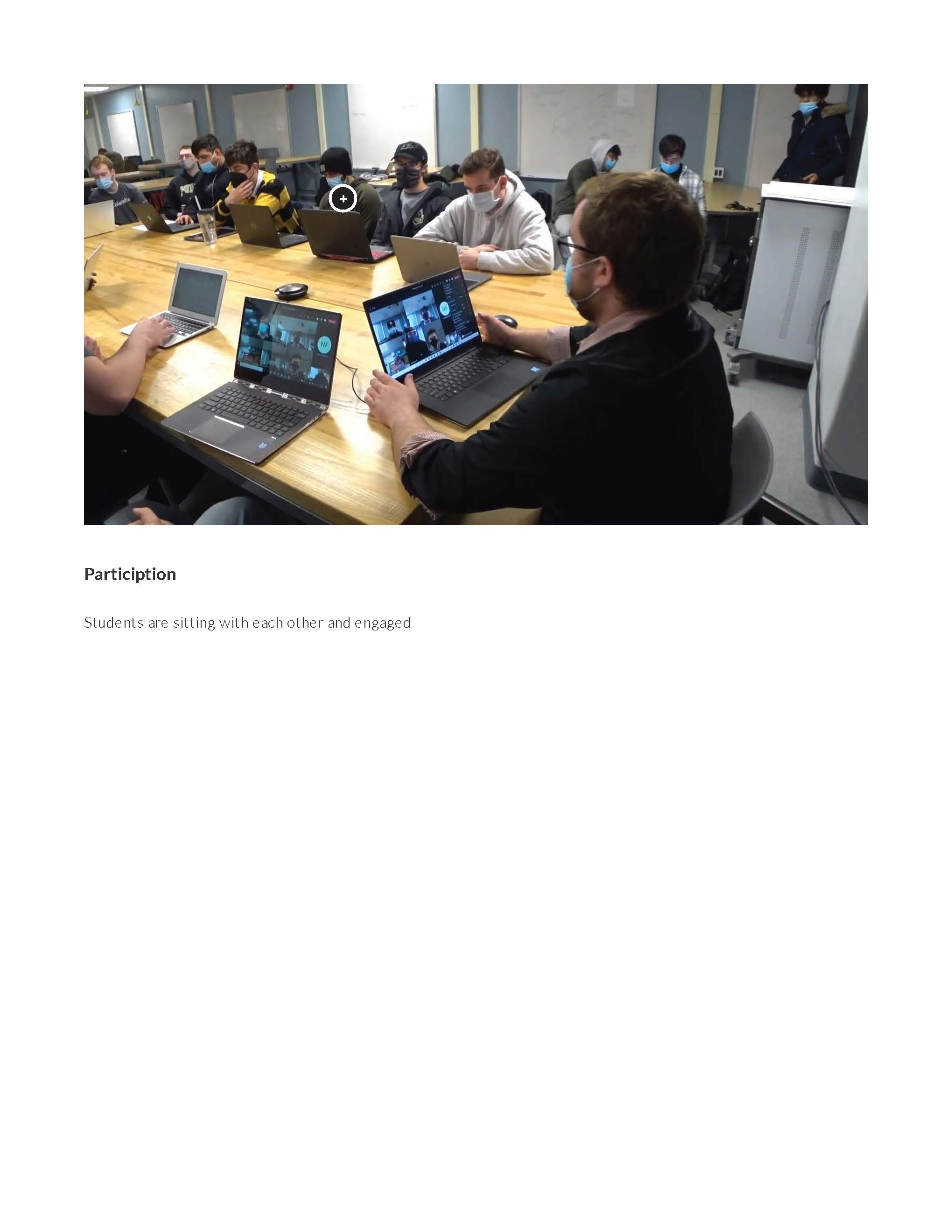
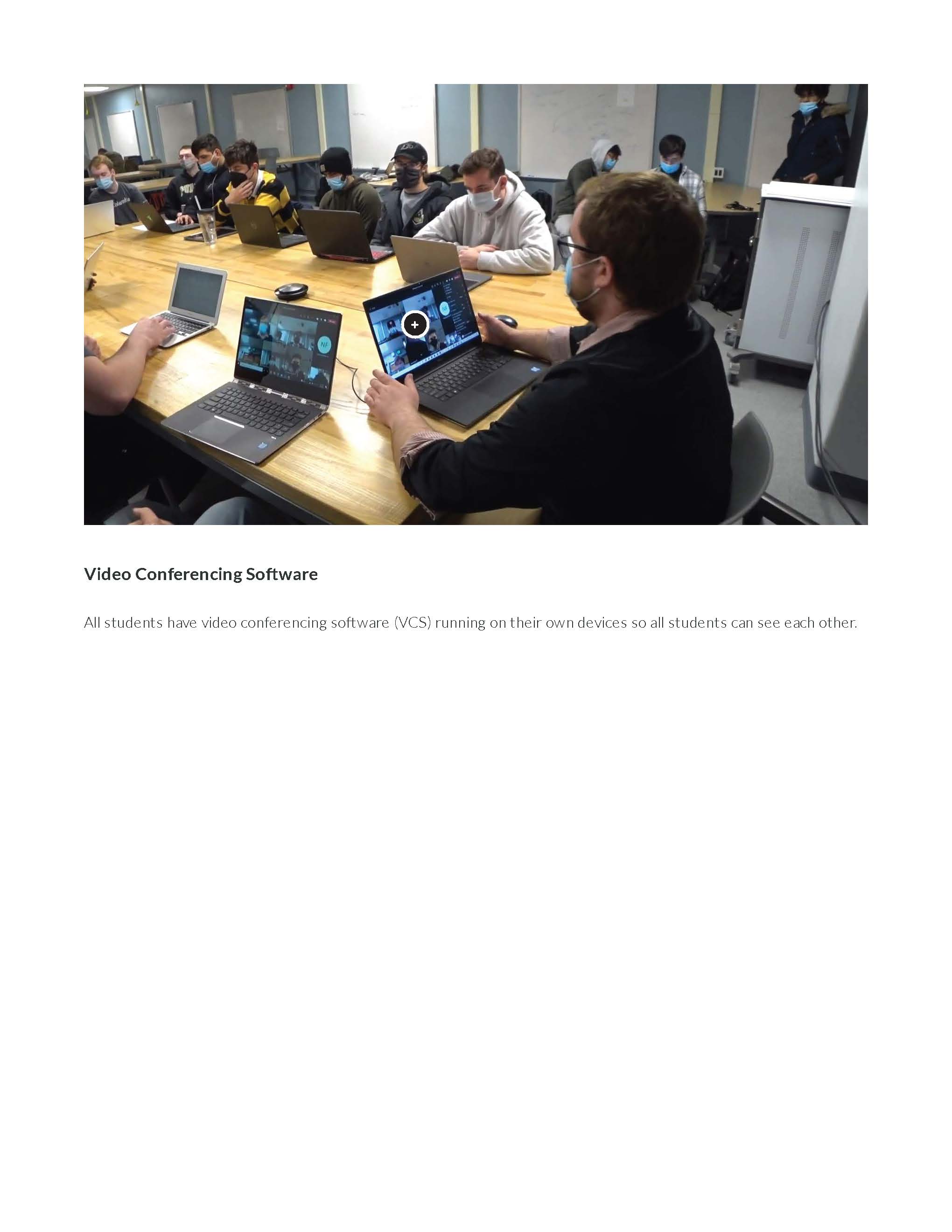








Equity Video
This video was created as part of a dissemination plan for an NSF-funded grant to demonstrate how HyFlex instructional models can provide an equitable educational experience. This is due to access to instructional materials and giving learners the opportunity to attend their courses how they choose. It can be challenging, though, because remote attendance can negatively impact face-to-face learners in various ways. Instructors should know how to navigate issues like this in a way that benefits all students. This video was created using Adobe Premiere Pro.
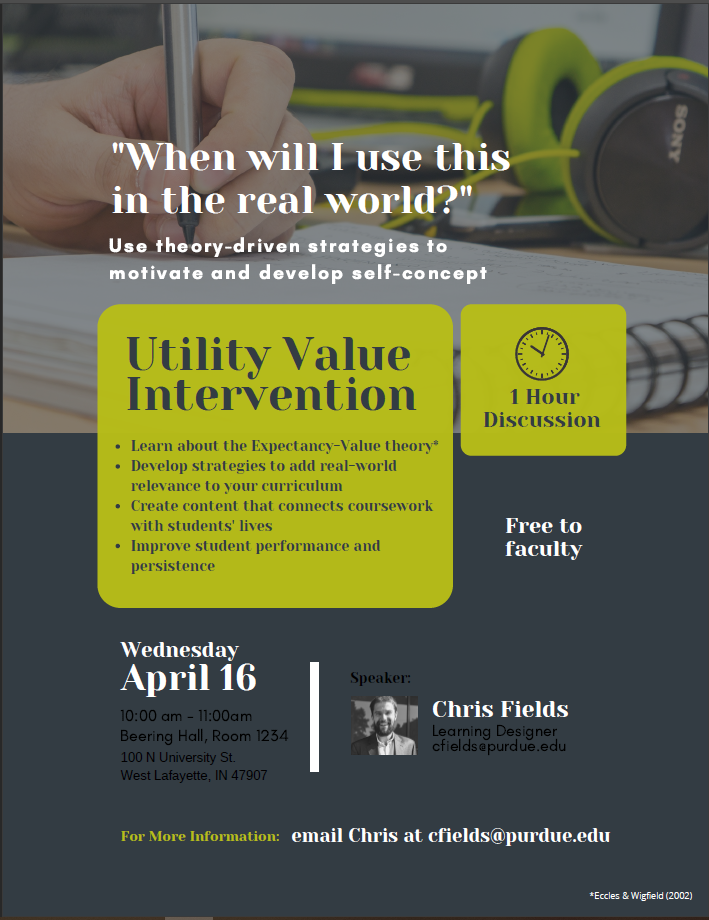
This infographic was created for a class assignment. We were given constraints (required information) and then told to make one. I created this one using Canva. I incorporated design principles like alignment, proportion and emphasis for the middle portion and then color contrast for the background and important text.
Inaugural Critical Thinking Initiative
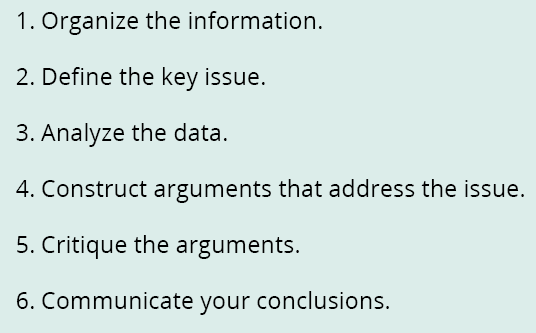
I was chosen as an innovative faculty member at Purdue University to participate in President Chiang’s initiative to incorporate more critical thinking into courses across the university. Through the Council for Aid to Education’s six-step process, I am implementing a three-day critical thinking experience that is rooted in Design Thinking that does the following things:
- Exposes students to a real-world problem that impacts many of them
- Requires students to analyze information from relevant stakeholders, secondary research, and ethnographic fieldwork
- Requires students create a problem definition given the problem/case
- Gives the students the opportunity to choose between available solutions or create their own
- Has students present a case for why their solution is best
Inaugural H-Innovate Project
For this project, I was selected by the Bluesky Labs portion of the John Martinson Honors College at Purdue University to participate in their first H-Innovate project that aims to transform Honors-ready courses into accessible offerings that allow more Honors students to attain their credit. This also boosts the retention rates of Honors students.
My task is to add an experience to my course that extends learning for Honors students but isn’t focused on one dedicated Honors section. As such, the parameters of this project are:
- Students will be spread across 17 sections of my course
- Encompasses about 10% of the typical course load
- Needs to be self-paced
- The outcome needs to be led and assessed by specific course instructor
- Job aids will be created to help with implementation
At this point, the idea is for students to create YouTube shorts that teaches about a course concept, adds in tips and tricks, and includes alignment with industry and 21st Century Skills. Student will self-assess along the way.

 Shawn Farrington